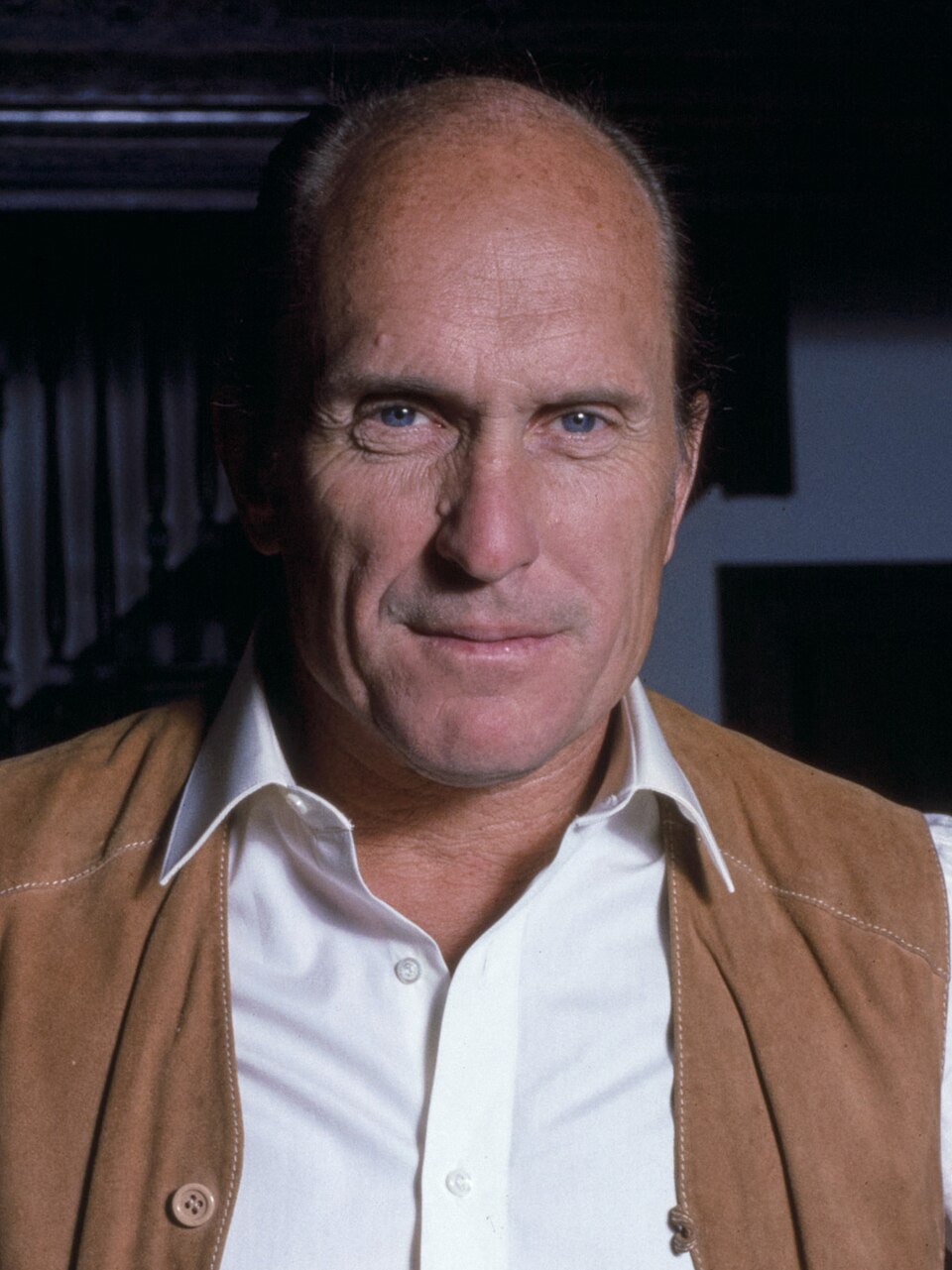
Why Robert Duvall Preferred Virginia's Quiet Life to Hollywood
Robert Duvall, an actor synonymous with some of cinema's most iconic roles, from the stoic Tom Hagen in
The Godfather to the fiery Lt. Col. Kilgore in
Apocalypse Now, cultivated a public persona of intensity and gravitas. Yet, away from the silver screen's glare and Hollywood's relentless spotlight, Duvall's private life painted a remarkably different picture. For decades, the Academy Award winner chose a tranquil, rural existence over the glitz and glamour, sparking curiosity among fans about his chosen sanctuary. The question,
"Where did Robert Duvall live?", invariably leads to the rolling hills and historic charm of Virginia, a place he didn't just reside in, but deeply cherished and actively protected.
Duvall's preference for the quietude of the Old Dominion wasn't a mere whim; it was a deliberate lifestyle choice that anchored his prolific career and provided a fertile ground for his personal passions. He found solace and inspiration far from the industry's epicenter, proving that for some, true artistry and contentment flourish best when rooted in a sense of place and community.
The Allure of The Plains: Robert Duvall's Primary Virginia Home
For the vast majority of his later life, Robert Duvall made his principal residence in the tiny, picturesque village of The Plains, nestled within Fauquier County, Northern Virginia. This wasn't just any home; it was a sprawling, several-hundred-acre historic farm known as
Brynley Farm (sometimes appearing as Brynley or Burnley in reports). Acquired by the actor in the early 1990s, this magnificent estate, approximately an hour west of Washington, D.C., became the heart of his world.
Brynley Farm isn't merely a large piece of land; it's a living testament to history. The property boasts an old stone farmhouse, dating back roughly 250 to 270 years, a true relic set against 360-plus acres of stunning, undulating countryside. This substantial acreage offered not just privacy but also the opportunity for a genuine rural lifestyle, complete with a working cattle and horse farm. For Duvall, this wasn't just a place to rest between films; it was a profound connection to the land and a reprieve from the demanding nature of his profession. He famously stated that he preferred to live there rather than Hollywood, only traveling to Los Angeles or New York when absolutely necessary for work. This commitment to his Virginia home underscored his desire for a life grounded in authenticity and calm, a stark contrast to the transient, high-octane world of film production.
His wife, Luciana Pedraza, shared this deep affection for their Virginia haven. She beautifully encapsulated their sentiment, describing Virginia as "the last station before heaven." This profound statement highlights the peace and contentment they found in The Plains, a place that nourished their souls and provided an idyllic backdrop for their life together.
Crafting a Home: Luciana Pedraza's Vision for Brynley Farm
Brynley Farm was more than just a historic property; under the loving guidance of Robert Duvall and particularly his wife, Luciana Pedraza, it was transformed into a personal sanctuary that perfectly reflected their values and passions. Duvall, often quoted saying, "A home should be like a nest—functional but pretty, livable in a nice way," found this philosophy perfectly embodied in their Georgian-style farmhouse.
Luciana Pedraza took on the ambitious task of designing the interiors of their three-story Georgian farmhouse herself, a decision that speaks volumes about their personal approach to creating a home. "Bobby likes me to try things, to become good at them. I have his support in anything I do," Pedraza explained in a 2002 *Architectural Digest* interview. Her rationale for not using an interior designer was simple yet profound: "Your house should be personal, every corner. It would be like letting someone choose my clothes." This hands-on approach ensured that every detail of Brynley Farm resonated with their unique tastes and experiences, creating a space that was both elegant and deeply personal.
Beyond the main residence, Brynley Farm was a vibrant, active estate. It operated as a working cattle and horse farm, reflecting Duvall's long-standing affinity for equestrian pursuits and rural life. One of the most enchanting features of the property was a barn that Duvall and Pedraza lovingly converted into a dance hall. Here, they hosted lively events, bringing in tango teachers like Pablo Verón for three-day courses, culminating in celebratory parties where everyone danced. "Bobby dances really well. I love dancing with him, love his perception of the tango," Pedraza shared, illustrating the joyful blend of cultural passions and social life they enjoyed within their private domain.
To delve deeper into the unique charm and architectural beauty of their beloved estate, you might enjoy
Inside Robert Duvall's Historic Brynley Farm in Virginia.
More Than One Address: Duvall's Earlier Virginia Roots
While Brynley Farm in The Plains became synonymous with Robert Duvall's long-term residence, it wasn't his first foray into Virginia's idyllic countryside. For those who might wonder,
"Where did Robert Duvall live?" before settling permanently in Fauquier County, the answer lies just a short distance away, in Loudoun County.
Before making Brynley Farm his ultimate home in the early '90s, Duvall also owned a horse farm in Purcellville, Virginia. This earlier estate, known as Butchers Run or sometimes Fieldstone Manor, was located on Beaverdam Bridge Road. Spanning approximately 33 acres, it was a more modest property compared to Brynley but still offered the rural charm and equestrian facilities that Duvall clearly sought. He resided there from roughly 1985 to 1995 before selling it and transitioning to his larger estate in The Plains.
This earlier residency in Purcellville highlights a consistent pattern in Duvall's choice of home: a deep-seated preference for the expansive, natural beauty of Virginia, particularly its horse country. Whether it was 33 acres or 360, the underlying desire for space, privacy, and a connection to the land remained constant. So, if you've encountered discussions online asking about where Robert Duvall lived in VA, they're almost certainly referring to his long-time farm in The Plains, with occasional, historically accurate mentions of his earlier Purcellville horse farm. Both locations underscore his unwavering commitment to a lifestyle far removed from the urban sprawl and media frenzy.
For a comprehensive look at his journey through Virginia's various landscapes, consider reading
Robert Duvall's Virginia Homes: From Purcellville to The Plains.
A Champion of Rural Serenity: Duvall's Commitment to His Community
Robert Duvall's connection to Virginia went far beyond merely owning property; he was an active and vocal member of his community, dedicated to preserving the very qualities that drew him there. His commitment was perhaps best exemplified by his passionate involvement in local issues, even into his later years. In 2023, he notably attended a city council meeting to express his concerns about the proposed construction of an Amazon data center in the area.
His impassioned speech at the meeting eloquently captured his deep appreciation for his home: "As an actor, I have a privilege to play many roles; my work has taken me all over the world, but I have always returned to Fauquier County, Virginia with a sense of relief that comes from my appreciation for all that makes this space special." This quote perfectly encapsulates the essence of his decision to live in The Plains. It wasn't just a physical address; it was a sanctuary, a source of peace, and a foundation that allowed him to navigate the demands of a global acting career.
Duvall's willingness to lend his voice and influence to local causes showcased a profound sense of responsibility toward the land and community that had given him so much. He wasn't content to simply enjoy the benefits of rural life; he actively worked to protect its integrity, ensuring that future generations could also experience the unique charm and tranquility that he found so essential. His community activism painted a clear picture of a man who was not only a legendary actor but also a conscientious resident, deeply invested in the fabric of his chosen home.
Conclusion
Robert Duvall's choice to forge a life in Virginia's serene countryside, particularly on his beloved Brynley Farm in The Plains, speaks volumes about his character and priorities. Far from the clamor of Hollywood, he found a profound sense of belonging, a rich connection to history and nature, and the grounding presence of a close-knit community. The answer to
"Where did Robert Duvall live?" reveals more than just a geographical location; it uncovers a deliberate lifestyle choice that fostered creativity, supported personal relationships, and allowed one of cinema's greats to live a life of authenticity and peace. His Virginia homes, from the earlier estate in Purcellville to the historic acreage of Brynley, were not merely residences but integral components of his enduring legacy, proving that for some, the greatest stage is not under the bright lights, but within the quiet embrace of home.